
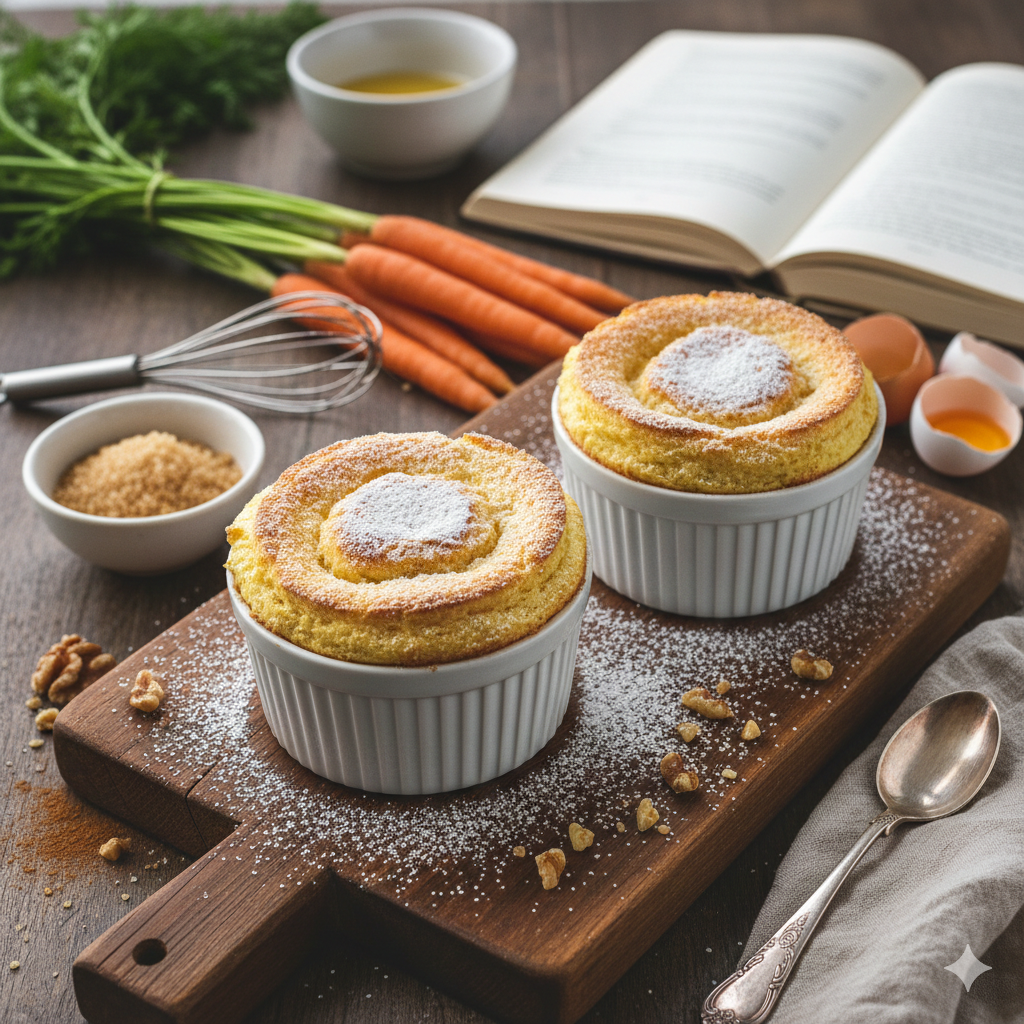
Carrot Souffle Recipe: A Complete Guide to Creating a Light, Creamy, and Comforting Classic
A well-made carrot soufflé occupies a unique space in home cooking. It’s not quite a dessert, not exactly a side dish, yet it delivers comfort, sweetness, and elegance all at once. The beauty of a thoughtfully prepared carrot souffle recipe lies in its simplicity. With humble ingredients and gentle technique, carrots are transformed into something airy, smooth, and deeply satisfying.
This comprehensive guide explores the carrot soufflé from every angle—its texture, flavor balance, preparation methods, variations, and serving possibilities. Whether you’re making it for a holiday table or a quiet family dinner, understanding the nuances of a carrot souffle recipe ensures consistently excellent results.
What Makes a Carrot Souffle Recipe So Special
Carrot soufflé stands apart from traditional vegetable dishes because of its texture. Instead of being firm or crisp, the carrots are pureed into a silky base that feels almost custard-like. Eggs provide structure, while butter and sugar round out the flavor.
Unlike classic French soufflés that rely on whipped egg whites and precise timing, most carrot souffle recipe variations are forgiving and stable. This makes the dish accessible to home cooks of all experience levels.
The result is something comforting yet refined—a dish that feels nostalgic and elegant at the same time.
Understanding the Flavor Profile of Carrot Soufflé
A successful carrot souffle recipe balances natural sweetness with richness. Carrots already contain sugars that intensify when cooked, eliminating the need for heavy sweetening. Butter enhances depth, while eggs add body without making the dish heavy.
Subtle seasoning is essential. Salt sharpens flavor, while warm spices like cinnamon or nutmeg add dimension without turning the dish into dessert. The goal is harmony, not dominance.
This balance allows carrot soufflé to pair effortlessly with savory mains while still satisfying a craving for something gently sweet.
Choosing the Right Carrots for a Carrot Souffle Recipe
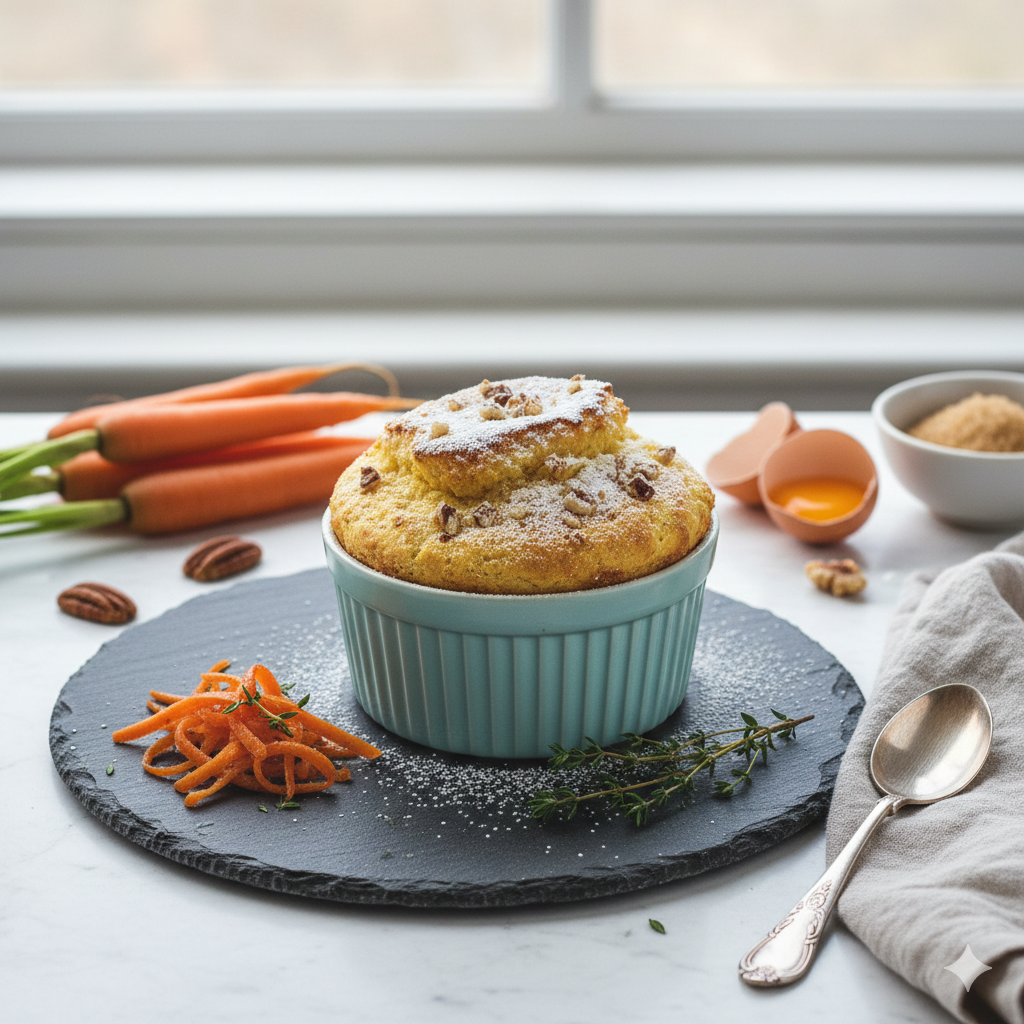
Ingredient quality matters, especially in simple dishes. For a carrot souffle recipe, fresh carrots with vibrant color and firm texture produce the best flavor. Older carrots can taste woody or dull, which affects the final result.
Cooking the carrots thoroughly before pureeing is critical. Soft carrots blend smoothly and create the creamy texture that defines the dish. Whether boiled or steamed, the carrots should be tender enough to mash easily.
Using whole carrots rather than pre-shredded versions allows better control over texture and flavor.
Preparing Carrots for the Perfect Soufflé Texture
Preparation plays a significant role in achieving the right consistency. After cooking, carrots should be drained thoroughly to remove excess moisture. Too much liquid results in a watery soufflé that lacks structure.
Pureeing should be done until completely smooth. Any remaining chunks disrupt the light, cohesive texture expected from a carrot souffle recipe. A food processor or blender works best, ensuring uniformity.
Once pureed, the carrot base becomes the canvas for the remaining ingredients.
The Role of Eggs in a Carrot Souffle Recipe
Eggs are the backbone of any carrot soufflé. They provide structure, allowing the mixture to set while remaining light and tender. Unlike traditional soufflés, carrot versions usually incorporate whole eggs rather than separated whites and yolks.
This simplifies the process and improves stability. The eggs bind the ingredients together and give the dish its characteristic rise during baking.
Using room-temperature eggs helps them incorporate smoothly into the carrot mixture, improving texture and consistency.
Butter and Sweetness: Finding the Right Balance
Butter adds richness and enhances mouthfeel. In a carrot souffle recipe, butter should be fully melted and evenly distributed to avoid greasy pockets.
Sweetness should remain restrained. The carrots themselves contribute natural sugar, so additional sweeteners are used sparingly. This keeps the dish versatile, allowing it to function as a side rather than a dessert.
Achieving this balance ensures the soufflé feels indulgent without becoming cloying.
Baking Techniques That Ensure Success
Baking transforms the carrot mixture into a soufflé-like dish with gentle lift and soft structure. Consistent oven temperature is essential. Too hot, and the edges dry out before the center sets. Too cool, and the dish remains dense.
The baking dish should be greased generously to prevent sticking. Even baking allows the soufflé to rise evenly and settle gracefully once removed from the oven.
A properly baked carrot souffle recipe emerges lightly puffed, smooth on top, and softly set in the center.
Classic Carrot Souffle Recipe for Traditional Tables
The classic carrot soufflé remains a staple for a reason. It highlights the natural flavor of carrots while delivering a creamy, comforting texture.
This version typically includes cooked carrots, eggs, butter, a small amount of sugar, and gentle seasoning. The simplicity allows each ingredient to shine without distraction.
Served warm, this carrot souffle recipe pairs beautifully with roasted meats, poultry, or plant-based mains.
Carrot Souffle Recipe Variations for Modern Kitchens
While tradition has its place, modern variations allow creativity. Some carrot souffle recipe adaptations introduce citrus zest for brightness or herbs for savory depth.
Others reduce sweetness further, leaning into a more vegetable-forward profile. These versions appeal to cooks seeking lighter, more contemporary flavors.
The flexibility of carrot soufflé makes it adaptable without compromising its essential character.
Savory Interpretations of Carrot Soufflé
Not all carrot soufflé recipes lean sweet. Savory versions emphasize herbs, cheese, or spices that complement carrots without overpowering them.
In these preparations, sugar is minimized or omitted entirely. Instead, flavors come from seasoning, aromatics, and fats.
Savory carrot soufflé works especially well alongside rich main dishes, providing balance and contrast.
Texture Troubleshooting in a Carrot Souffle Recipe
Texture issues can arise if moisture isn’t controlled. Excess liquid from carrots leads to a loose or grainy result. Overbaking causes dryness, while underbaking prevents proper setting.
Careful draining, thorough blending, and proper bake time resolve most issues. Allowing the soufflé to rest briefly after baking also improves texture as it finishes setting.
Attention to these details ensures consistently smooth results.
Making a Carrot Souffle Recipe Ahead of Time
One of the strengths of carrot soufflé is its ability to be prepared in advance. The mixture can be assembled ahead and refrigerated until ready to bake.
This makes it ideal for holidays and gatherings where oven space and timing matter. Baking just before serving ensures freshness without last-minute stress.
Advance preparation enhances practicality without sacrificing quality.
Serving Carrot Soufflé with Confidence
Presentation enhances enjoyment. A carrot soufflé should be served warm, allowing its texture to shine. Garnishing is optional and should remain minimal.
Simple presentation reinforces the dish’s comforting nature. Whether served in individual portions or a single baking dish, a carrot souffle recipe speaks for itself.
Confidence comes from understanding the dish and trusting its simplicity.
Carrot Soufflé as a Holiday Favorite
Carrot soufflé frequently appears on holiday tables due to its crowd-pleasing nature. Its gentle sweetness complements traditional festive dishes without competing for attention.
The soft texture appeals to all ages, making it a reliable choice for gatherings. This popularity has cemented the carrot souffle recipe as a holiday classic in many households.
Its familiarity and warmth evoke tradition while still feeling special.
Nutritional Perspective on Carrot Soufflé
While indulgent, carrot soufflé retains nutritional value from its main ingredient. Carrots contribute vitamins and fiber, balancing the richness of eggs and butter.
Moderation keeps the dish part of a balanced meal. Thoughtful ingredient ratios ensure satisfaction without excess.
This balance supports the enduring appeal of carrot soufflé.
Common Mistakes to Avoid in a Carrot Souffle Recipe
Skipping proper blending results in uneven texture. Adding too much sugar masks the natural carrot flavor. Overbaking dries out the dish and diminishes its appeal.
Understanding these pitfalls prevents disappointment. A successful carrot souffle recipe depends more on technique than complexity.
Avoiding these mistakes leads to reliable success.
Why Carrot Soufflé Remains Timeless
Carrot soufflé endures because it transforms a simple vegetable into something comforting and elegant. It bridges the gap between everyday cooking and special occasions.
The dish’s adaptability and forgiving nature make it accessible while still feeling refined. These qualities ensure the carrot souffle recipe remains relevant across generations.
Its timeless appeal lies in balance and simplicity.
Cooking with Confidence Using a Carrot Souffle Recipe
Confidence grows with understanding. Once you master the fundamentals of carrot soufflé, variations become intuitive rather than intimidating.
Knowing how carrots behave, how eggs set, and how flavors balance empowers creativity. A carrot souffle recipe rewards attentiveness without demanding perfection.
This confidence leads to better results and greater enjoyment in the kitchen.
Conclusion: Mastering the Carrot Souffle Recipe at Home
A well-executed carrot souffle recipe proves that simplicity can be deeply satisfying. Through careful preparation, thoughtful balance, and gentle baking, humble carrots become something extraordinary.
Whether served as a comforting side or a standout dish, carrot soufflé offers warmth, flavor, and versatility. Mastering it brings confidence and creativity into your cooking routine, ensuring this classic remains a favorite for years to come.
Frequently Asked Questions (FAQs)
Is carrot soufflé a dessert or a side dish?
Carrot soufflé is typically served as a side dish, though its gentle sweetness allows it to bridge savory and sweet elements comfortably.
Can I make a carrot souffle recipe ahead of time?
Yes, carrot soufflé can be assembled in advance and baked just before serving for best results.
Why is my carrot soufflé watery?
Excess moisture from improperly drained carrots is the most common cause of a watery soufflé.
Can I reduce the sugar in a carrot souffle recipe?
Absolutely. Many versions rely mostly on the natural sweetness of carrots, making sugar optional.
How do I know when carrot soufflé is done baking?
The center should be softly set, and the top lightly puffed. A gentle jiggle indicates proper doneness.