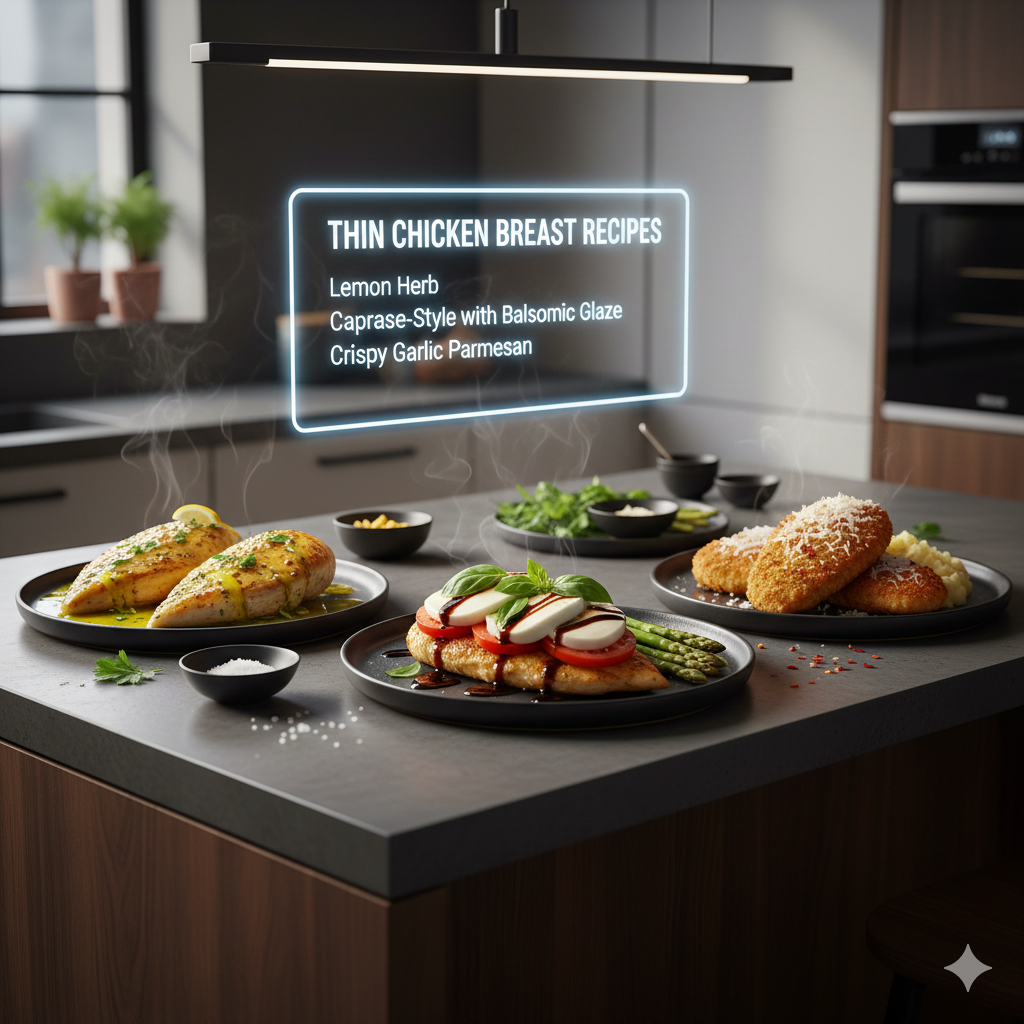
Thin Chicken Breast Recipes That Stay Juicy, Fast, and Flavorful
If you’ve ever had chicken breast turn out dry, stringy, or oddly rubbery, you already know the downside of cooking lean meat in a hurry. The good news is that thin chicken breast recipes can be the easiest way to get tender chicken on the table quickly—when you use the right approach. Thin-sliced chicken cooks fast and absorbs seasoning beautifully, which is why it’s a weeknight staple for so many home cooks. It’s also why recipe sites and food magazines keep returning to the same core themes: chicken cutlets, quick skillets, sheet-pan dinners, and saucy pan-seared chicken.
This guide is designed to feel like a chef standing next to you in the kitchen. You’ll learn how to choose thin cuts, how to keep them moist, and how to build restaurant-style flavor without complicated steps. Along the way, you’ll also find “competitor-style” topic sections that people search for most—like how long to bake thin chicken breast, how to pan-fry cutlets without drying them out, and how to get air-fryer chicken that stays juicy. The difference is that this article gives you fuller context and more flexibility, so you can turn the same core technique into dozens of thin chicken breast recipes that taste new every time.
Why Thin Cuts Are a Secret Weapon for Weeknight Chicken
Thin chicken breasts (often sold as “thin-sliced chicken breast” or “chicken cutlets”) solve two problems at once: they cook quickly and they cook evenly. A thick chicken breast tends to overcook on the outside before the center is safe. With thin cuts, the heat penetrates faster, so you’re less likely to end up with dry edges and an underdone middle. That’s the main reason thin chicken breast recipes are so popular for skillet meals, quick bakes, and fast air-fryer dinners.
There’s also a flavor advantage. Because thin cutlets have more surface area relative to their thickness, seasoning and marinades impact every bite. Even a short 10–20 minute marinade can make a noticeable difference. And if you’re cooking with a pan sauce—lemon butter, garlic cream, balsamic mushroom—thin pieces give you more browned surface for fond, which means better sauce.
When you get comfortable with the basics, thin chicken breast recipes become a reliable template: season, sear, sauce (optional), and serve.
Buying Thin Chicken Breasts vs. Making Chicken Cutlets at Home
You can start thin chicken breast recipes two ways: buy pre-sliced cutlets or make them yourself.
Store-bought cutlets are convenient and consistent, but they can be pricier. If you’re already buying boneless skinless chicken breasts, slicing them yourself is often cheaper and lets you control thickness. Many fast “cutlet dinner” recipe collections also recommend slicing a larger breast horizontally and then pounding to an even thickness for quick cooking.
To make your own, place a chicken breast on a cutting board and slice it horizontally (like opening a book). Then cover with parchment or plastic wrap and gently pound until even. Evenness matters more than being ultra-thin. When your cutlets are the same thickness, your thin chicken breast recipes become dramatically more consistent.
The Moisture Problem: Why Thin Chicken Breast Can Dry Out Fast
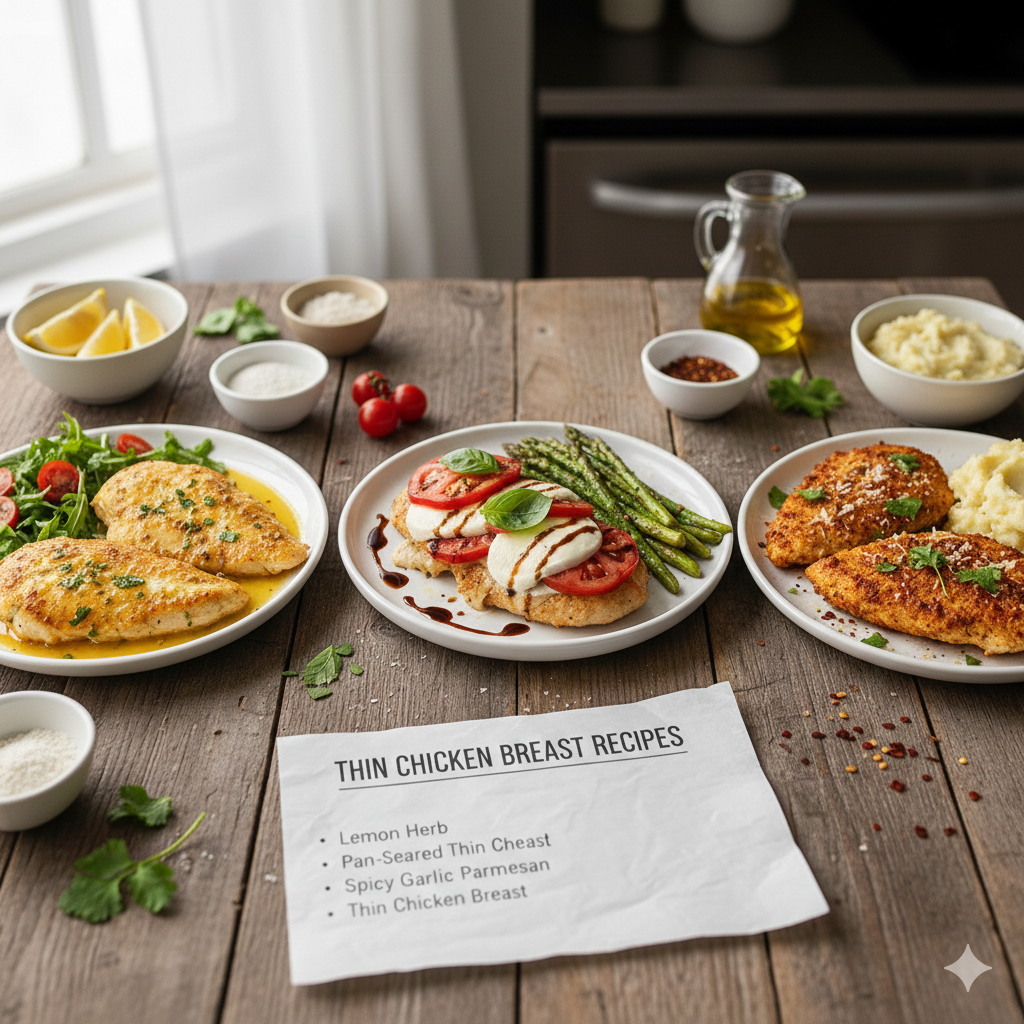
Thin chicken breast is a bit like a sports car—fast and responsive, but unforgiving if you push it too hard. Because it cooks quickly, it can overcook quickly. That doesn’t mean thin chicken breast recipes are risky; it just means you need a plan.
The biggest moisture losses happen when:
- the pan or oven is too hot for too long,
- the chicken is cooked past safe temperature,
- the cutlets are uneven, so you overcook some to finish others.
The simplest fix is to use a thermometer. Chicken is considered safe at 165°F / 74°C.
Once you start pulling chicken off the heat right as it approaches that point (and letting carryover heat finish the job), your thin chicken breast recipes start tasting like they came from a good café.
A Quick Flavor Framework for Thin Chicken Breast Recipes
Before we get into full meal ideas, it helps to understand the three “flavor lanes” that keep showing up across the most searched thin chicken breast recipes:
1) Dry seasoning + fast sear
Think paprika-garlic cutlets, lemon pepper chicken, or Italian herb chicken. The goal is a flavorful crust in minutes.
2) Light coating for texture
A dusting of flour, cornstarch, or fine breadcrumbs helps browning and gives sauces something to cling to. Air-fryer versions often use spice blends plus a small amount of starch for extra crisp edges.
3) Pan sauce finishes
Creamy mustard, sun-dried tomato cream, balsamic mushroom, lemon-dill—thin cutlets cook fast, then you build a sauce right in the same pan. This is a classic “quick skillet” structure used widely in chicken cutlet recipes.
Once you understand the lane you’re cooking in, you can remix thin chicken breast recipes endlessly.
The Skillet Method That Powers So Many Thin Chicken Breast Recipes
Many of the best thin chicken breast recipes start with a skillet because you get speed, browning, and control. The core method is simple: dry the chicken well, season it, sear it in a hot pan, then finish gently.
Here’s what matters most:
Dryness on the surface is what creates browning. Pat the chicken dry before seasoning. A preheated pan matters too—if the pan is lukewarm, the chicken steams instead of searing. Once the chicken is in, don’t move it constantly. Let it build color; a covered pan can help hold moisture for ultra-thin pieces, as some stovetop cutlet methods suggest.
When the chicken is almost done, you can finish it with a small knob of butter, a squeeze of lemon, or a splash of stock. These tiny touches are what make weeknight thin chicken breast recipes taste “real.”
Lemon-Garlic Cutlets With Pan Gloss
This is a foundational option you can serve with rice, pasta, roasted potatoes, or a simple salad. It’s also the kind of recipe people expect when they search thin chicken breast recipes because it’s fast and feels fresh.
Season cutlets with salt, black pepper, garlic powder, and a little paprika. Sear in olive oil until golden. Remove the chicken, then add minced garlic to the pan for just a few seconds. Pour in a splash of chicken stock, scrape the browned bits, and finish with lemon juice and butter. Return the chicken briefly to coat.
The result is glossy, aromatic chicken that’s bright without being sharp. If you want it more “restaurant,” add lemon zest and chopped parsley at the end. This single technique can anchor dozens of thin chicken breast recipes.
Creamy Mustard Chicken Cutlets That Don’t Feel Heavy
Creamy mustard is popular in quick cutlet dinners for a reason: it tastes like you cooked all day when you absolutely did not. Many collections highlight mustard-based sauces with thin cutlets because the sauce builds quickly and clings well.
Sear seasoned cutlets, then sauté shallots or onions in the same pan. Add Dijon mustard, a splash of stock, and a small amount of cream or Greek yogurt. Simmer until slightly thickened, then finish with herbs like sage or thyme. You get a tangy, velvety sauce that turns basic chicken into a comforting plate.
If your goal is variety, sauces like this are the fastest way to rotate thin chicken breast recipes without changing your shopping list.
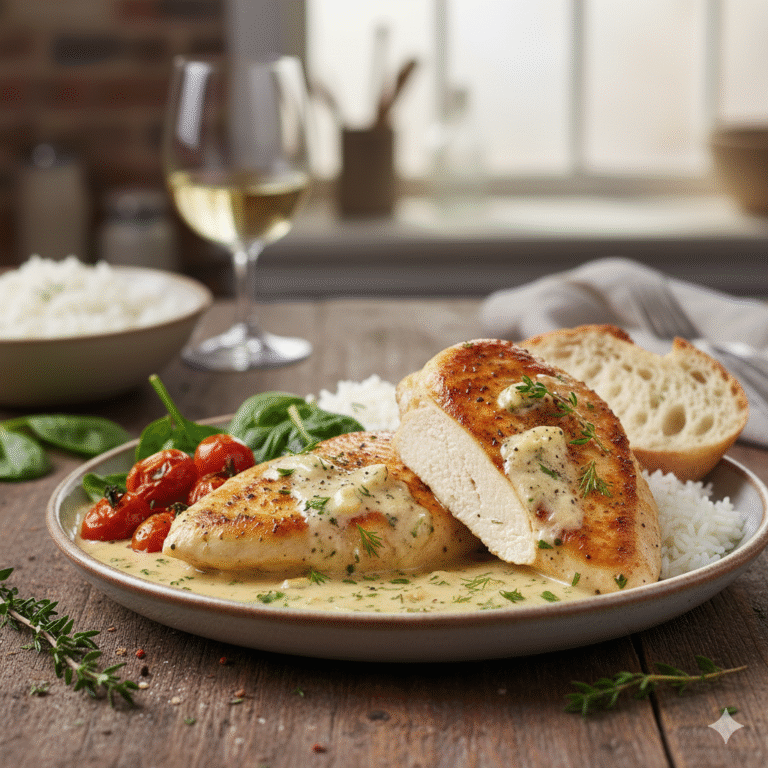
Sun-Dried Tomato Cream Sauce “Cutlet Night” (A Classic Crowd-Pleaser)
Another wildly popular pattern in thin chicken breast recipes is the creamy tomato pan sauce—often built with sun-dried tomatoes and a bit of their infused oil. That oil brings instant depth, especially with garlic and Italian herbs.
Cook cutlets, remove them, and build the sauce in the same pan. Stir in garlic, sun-dried tomatoes, stock, and cream, then simmer until it coats the back of a spoon. Add spinach if you want a one-pan dinner feel. Slide the chicken back in for a minute so it absorbs the sauce.
Serve this with pasta or crusty bread. It’s one of those thin chicken breast recipes that feels “date night” but comes together on a Tuesday.
Chicken Milanese Energy Without the Fuss
Breaded cutlets are a major reason thin-sliced chicken is so beloved. The classic is chicken Milanese: thin pounded chicken, seasoned breadcrumbs, a quick pan fry, and something bright on top (often arugula and lemon). It shows up constantly in searches because it’s crisp, fast, and satisfying.
For a lighter approach, keep the breading thin and pan-fry in a shallow layer of oil rather than deep frying. The key to good Milanese-style thin chicken breast recipes is even thickness. Thin breading plus thin chicken equals fast cooking, which means the crust browns before the meat dries out.
Finish with a squeeze of lemon and a simple salad. It’s comfort food that still feels fresh.
Oven-Baked Thin Chicken Breast Recipes That Stay Juicy
Oven methods are popular because they’re hands-off and easy to scale. The catch is that thin pieces can overbake quickly. Many guides share approximate bake times by temperature and emphasize using internal temperature for accuracy.
The most reliable approach for oven thin chicken breast recipes is high heat for a short time, plus a moisture strategy. That might be a quick marinade, a light coating of oil, or baking under a sauce.
A great option is a simple sheet-pan bake: season cutlets, place them on a pan, and add vegetables that cook in a similar time window—thin asparagus, sliced bell peppers, zucchini ribbons, or cherry tomatoes. Because thin chicken finishes fast, choose vegetables that don’t need 45 minutes.
Pull the chicken as soon as it hits doneness and let it rest briefly. Resting matters more than people think; it’s one of the easiest upgrades for thin chicken breast recipes.
The “Covered Bake” Trick for Extra Tenderness
If you consistently worry about dryness, bake the chicken covered for most of the cook time, then uncover briefly to finish. This traps steam and reduces moisture loss. It’s similar to the way some pan methods use a lid for thin cutlets.
You can bake cutlets with a spoonful of marinara and a sprinkle of mozzarella for a quick chicken parm feel, or cover them with salsa and a little cheese for a Tex-Mex version. Covered baking is a simple technique that makes many thin chicken breast recipes nearly foolproof.
Air Fryer Thin Chicken Breast Recipes: Crisp Edges, Juicy Centers
Air fryers are everywhere in chicken recipe searches, and thin slices are especially suited to them. With the right seasoning, you get browned edges and juicy meat quickly—without standing at the stove.
Many popular air-fryer approaches use bold spices and a small amount of starch (like cornstarch) to enhance browning and texture. Another widely shared strategy is a light brine or quick seasoning rub, which helps moisture retention and flavor development.
For reliable air-fryer thin chicken breast recipes, don’t overcrowd the basket. Air needs space to circulate. Also, remember that thin cutlets may finish faster than you expect—start checking early and rely on temperature rather than time.
Grill-Friendly Thin Chicken Breast Recipes With Big Flavor
Thin chicken can be excellent on the grill, but it needs protection from overcooking. The easiest solution is to use a marinade with oil and acidity—like lemon juice, yogurt, or vinegar—plus herbs and garlic. This adds flavor and helps the exterior brown without drying out.
Because grill heat can be intense, thinner pieces are actually an advantage if you monitor them closely. You can also grill thin chicken for meal prep: cook a batch, cool it quickly, and slice it for salads and wraps. This makes thin chicken breast recipes not just dinner ideas, but building blocks for the week.
Global Flavors That Make Thin Chicken Breast Recipes Feel New
If you’re bored of “just chicken,” the fix isn’t always a new cooking method. Often, the fix is a new flavor profile. Thin cutlets are perfect for global seasoning blends because they absorb flavor quickly.
Mediterranean mood: oregano, garlic, lemon, olive oil, and a little feta on the side.
Mexican-inspired: chili powder, cumin, lime, and a smoky salsa finish.
Middle Eastern feel: sumac, garlic, yogurt, and cucumber salad.
Asian-style: ginger, garlic, soy sauce, and a touch of honey for glaze.
What’s great is that these aren’t separate “hard recipes.” They’re small changes that create new thin chicken breast recipes without changing the technique.
The Sauce-First Mindset: Turning Plain Chicken Into a Signature Dish
A lot of highly searched thin chicken breast recipes are, at heart, “sauce recipes.” The chicken is the canvas; the sauce is the personality.
Pan sauces work especially well with thin cutlets because the chicken cooks fast and leaves behind flavorful browned bits. A quick sauce can be as simple as garlic + butter + lemon, or as bold as balsamic + mushrooms + thyme. Some high-protein skillet roundups focus on sauces that balance acidity and richness while keeping cook time short.
If you want a practical routine, keep a “sauce kit” in mind:
- something aromatic (garlic/shallots),
- something acidic (lemon/vinegar),
- something savory (stock/soy),
- something rich (butter/cream/yogurt),
- something fresh (herbs).
That single kit can generate a week’s worth of thin chicken breast recipes.
Meal Prep and Leftovers: Keeping Thin Chicken Breast Tender
Thin chicken can be amazing for meal prep, but reheating is where it can dry out. The fix is gentle reheating and a little moisture.
Store cutlets with a spoonful of sauce or pan juices whenever possible. If you cooked them plain, reheat them in a covered skillet with a splash of stock, or warm them briefly in the microwave with a damp paper towel to trap steam. Avoid blasting them until they’re piping hot; that’s how you lose moisture.
For salads, wraps, and bowls, thin chicken is ideal because it slices cleanly. Meal-prep-friendly thin chicken breast recipes are often less about “leftovers” and more about “planned second uses,” like chicken Caesar wraps, Greek chicken bowls, or chicken-and-avocado sandwiches.
Troubleshooting: Why Your Thin Chicken Breast Recipes Aren’t Turning Out Yet
If your chicken is dry, the most likely culprit is overcooking. Thin cutlets need less time than you think, and they keep cooking after you remove them from heat. Use a thermometer and pull them right as they reach doneness.
If your chicken is pale and watery, your pan may not be hot enough, or the chicken may have gone into the pan wet. Dry the surface thoroughly and preheat the pan before cooking. If your breading falls off, the coating may be too thick or the chicken too damp—light, even breading works best for crisp thin chicken breast recipes.
If your chicken is tough even when “not overcooked,” the cutlets may be uneven or the meat may have been cooked aggressively from fridge-cold. Let it sit a few minutes at room temperature before cooking so it heats more evenly.
Building a Week of Thin Chicken Breast Recipes Without Getting Bored
A smart way to keep dinner interesting is to rotate method, sauce, and side—without changing everything at once. For example, you can keep the cooking method consistent (skillet sear) while changing the sauce: lemon butter one night, creamy mustard the next, balsamic mushroom after that. Or keep the flavor consistent and change the method: grill the same Mediterranean-seasoned cutlets you’d normally pan-sear.
This is where thin chicken breast recipes shine. Because they’re fast, you can experiment more often. You can also make small shifts—different herbs, a new spice blend, a different finishing acid—and it feels like a new dish.
Conclusion
The reason thin chicken breast recipes dominate weeknight cooking is simple: they’re quick, versatile, and surprisingly satisfying when you use the right technique. Thin cutlets cook evenly, take on flavor fast, and pair beautifully with skillet sauces, sheet-pan vegetables, and crisp air-fryer finishes. If you focus on even thickness, good seasoning, and pulling the chicken at the right temperature, you’ll get juicy results consistently.
Once that foundation is in place, your options multiply. You can go bright and lemony, rich and creamy, crispy and breaded, smoky and grilled, or boldly spiced—without changing your grocery list much. That’s the real magic: thin chicken breast recipes aren’t just meals. They’re a flexible system for cooking better chicken, more often, with less stress.
FAQs
What counts as “thin chicken breast” for thin chicken breast recipes?
For most thin chicken breast recipes, “thin” means cutlets that are about ¼ to ½ inch thick. The most important factor is even thickness so the chicken cooks uniformly.
How do I keep thin chicken breast from drying out?
The best protection in thin chicken breast recipes is monitoring doneness closely and avoiding overcooking. A quick marinade, a light coating of oil, or finishing with a pan sauce also helps.
How long should I bake thin chicken breast?
Baking time depends on temperature and thickness. Many guides provide ranges and recommend cooking to 165°F / 74°C for accuracy. For thin chicken breast recipes, start checking early because thin pieces finish fast.
Can I use frozen thin chicken breast?
You can, but many thin chicken breast recipes work best when the chicken is thawed for even cooking and better browning. If cooking from frozen, expect less browning and adjust timing carefully.
What’s the best way to season thin chicken breast?
Because thin cutlets absorb flavor quickly, simple seasonings work well: salt, pepper, garlic powder, paprika, Italian herbs, lemon pepper, or spice blends. Sauces are also a powerful upgrade for thin chicken breast recipes.