Pastalaya Recipe: One-Pot Cajun Jambalaya Pasta Done Right
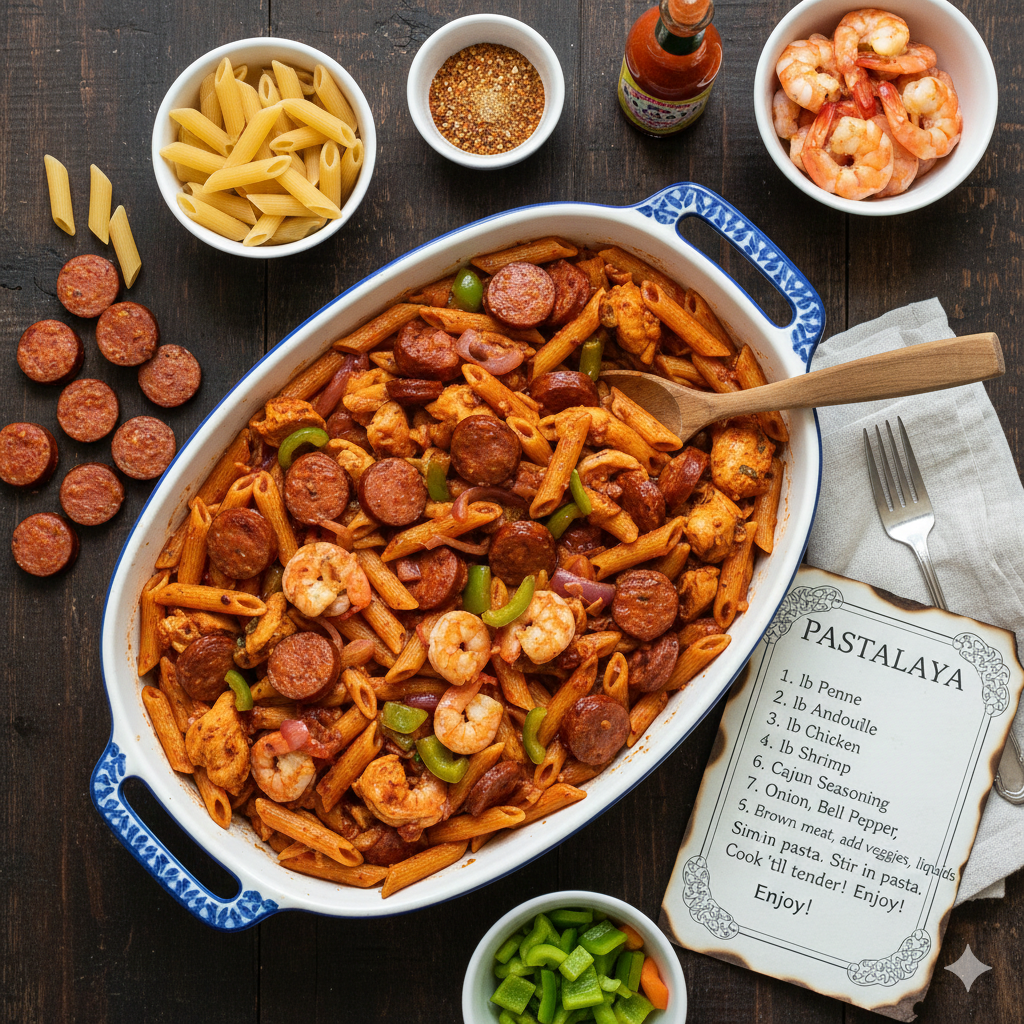
A great pastalaya recipe is the Louisiana comfort-food answer to the question, “What if jambalaya had pasta instead of rice?” It’s smoky, savory, and deeply seasoned, with tender chicken, spicy sausage, and sometimes shrimp folded into noodles that soak up all that rich Cajun flavor. The result is a hearty one-pot meal that feels like something you’d eat at a tailgate, a Mardi Gras gathering, or a big family Sunday—except you can absolutely make it on a regular weeknight, too.
What makes a pastalaya recipe so loved is that it’s both familiar and a little unexpected. You still get the holy trinity of onion, bell pepper, and celery, the warm bite of Creole or Cajun seasoning, and that satisfying “everything in one pot” ease. But pasta changes the texture and the way the sauce clings, turning the dish into something slightly creamier and cozier than classic jambalaya. If you want a full, professional guide that explains the why—not just the steps—this pastalaya recipe breakdown will help you nail it.
What Pastalaya Is and Why This Pastalaya Recipe Works
Pastalaya is jambalaya’s pasta-based cousin. Instead of cooking rice in seasoned stock, a pastalaya recipe cooks pasta right in the pot so the noodles absorb smoky drippings, spices, and broth as they soften. That’s why the flavor can taste deeper than a typical “pasta + sauce” dinner. You’re not merely topping noodles; you’re building the taste into them from the start.
This pastalaya recipe works because it follows the same logic as good Cajun cooking: build a foundation with browned meat, sauté the trinity until it turns sweet and fragrant, then simmer everything together so the flavors melt into one another. When you let the pasta finish in that seasoned liquid, you get a dish that tastes like it’s been cooking for hours even if it’s done in one evening.
The Flavor Blueprint of a Great Pastalaya Recipe
A strong pastalaya recipe is built on three big pillars: smokiness, spice, and savory depth. Smokiness usually comes from andouille or smoked sausage and from browning the meat until you get those flavorful bits on the bottom of the pot. Spice comes from Cajun or Creole seasoning, plus optional cayenne and black pepper if you like heat that lingers. Savory depth comes from the trinity, garlic, broth, and a little tomato element in many versions.
The goal of this pastalaya recipe is balance, not just heat. The best bowls taste bold but not harsh, with a rounded flavor that feels rich rather than sharp. That’s why timing matters: you brown the meats properly, you let the vegetables soften until they smell sweet, and you simmer long enough for the broth and seasoning to taste like one unified sauce.
Meat Choices That Make Your Pastalaya Recipe Taste Authentic
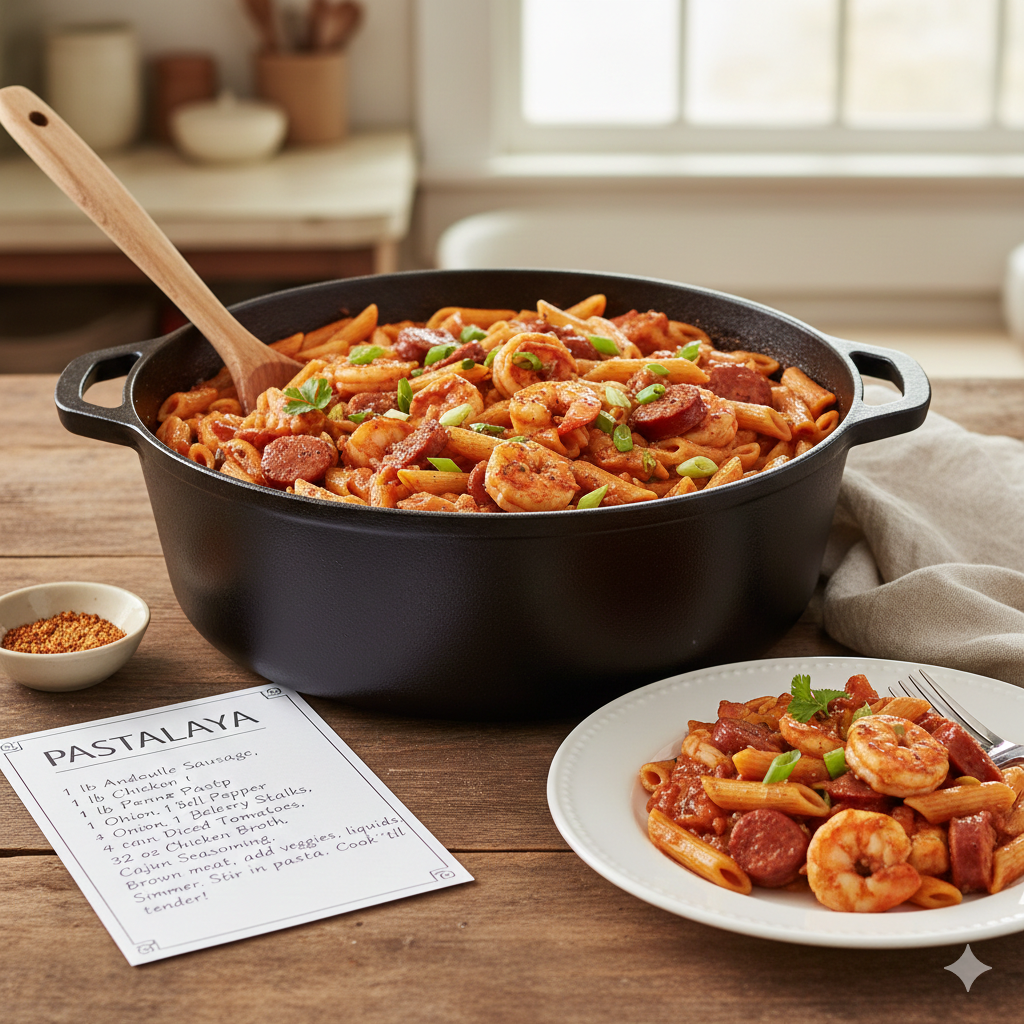
Most classic versions of a pastalaya recipe use a mix of chicken and smoked sausage. Chicken thighs are especially popular because they stay juicy and hold up well to simmering, but chicken breast can work if you’re careful not to overcook it. Smoked sausage or andouille brings the signature Cajun vibe, and it seasons the entire pot through its rendered fat.
Seafood is optional, but shrimp is a common and beloved addition in a pastalaya recipe. The key is timing—shrimp cooks fast and can turn rubbery if simmered too long. If you’re adding shrimp, treat it like the finishing touch: fold it in near the end so it just turns pink and tender while the pasta finishes absorbing flavor.
The Holy Trinity and Why It Matters in Every Pastalaya Recipe
In Cajun and Creole cooking, the “holy trinity” is onion, bell pepper, and celery, and it’s the backbone of a good pastalaya recipe. These vegetables bring sweetness, aroma, and texture while creating a base that carries the seasoning. When you sauté them in the drippings left behind by browned sausage and chicken, they pick up that smoky flavor and become even more delicious.
The biggest mistake people make with a pastalaya recipe is rushing this step. If you sauté the trinity too briefly, the dish can taste raw or one-dimensional. But when you cook it until the onion turns translucent and the vegetables soften, the pot starts to smell like Cajun comfort food before you even add the broth.
Cajun vs Creole Seasoning in a Pastalaya Recipe
People often use “Cajun” and “Creole” interchangeably, but in a pastalaya recipe, the difference can show up in the seasoning profile. Cajun blends often lean peppery and rustic, while Creole blends may include more herbs and sometimes a different balance of salt and spice. Either can work beautifully, but it’s smart to taste as you go because some blends are much saltier than others.
The safest approach for a pastalaya recipe is to start with a moderate amount, simmer, then adjust. You want the final dish to taste seasoned all the way through, not just spicy on the surface. If you’re unsure, keep salt separate from your seasoning blend so you can control it independently and avoid over-salting the pot.
Choosing the Best Pasta for a Pastalaya Recipe
Pasta choice matters more than most people expect in a pastalaya recipe because the noodles cook in seasoned liquid. Short pasta like penne, rotini, or bowties is popular because it holds sauce well and stirs easily in a pot. These shapes also make the dish feel hearty and “jambalaya-like,” with bite-sized pieces that scoop well.
Long noodles can work too, but they behave differently in a pastalaya recipe because they can clump if you don’t stir and they may require a different liquid ratio. If you do use longer pasta, breaking it in half and stirring early can help. Whatever shape you choose, the best pasta for this dish is one that can handle simmering without turning mushy.
The One-Pot Method That Defines This Pastalaya Recipe
A true pastalaya recipe is a one-pot meal, and that’s part of its charm. You brown sausage to render flavorful fat, then brown chicken so it develops color and depth. Next, you sauté the trinity and garlic right in those drippings. Finally, you add broth and seasonings, then cook the pasta directly in the liquid so it absorbs the Cajun flavor.
One-pot cooking also means your pastalaya recipe relies on timing and stirring. You want the pasta submerged enough to cook evenly but not swimming in liquid at the end. Stir early to prevent sticking, then simmer gently so the noodles soften while the sauce thickens into that signature “saucy but hearty” finish.
Pastalaya Recipe Step-by-Step in Real-Life Kitchen Terms
Start your pastalaya recipe by slicing the sausage and browning it until the edges crisp and the pot smells smoky. Remove the sausage to a plate so it doesn’t overcook, then brown the chicken in the same pot. Browning is not just cooking—it’s flavor building. You want the chicken to pick up color and leave browned bits behind.
Next, add the onion, bell pepper, and celery to the pot and sauté until softened, then stir in garlic for fragrance. Add broth and your seasonings, scrape up the browned bits, and bring it to a simmer. Stir in the pasta, return the sausage, and let it cook gently until the noodles are tender and the liquid reduces into a rich sauce. That’s the heart of a reliable pastalaya recipe: simple steps that create layered flavor.
Tomato or No Tomato: The Debate in Pastalaya Recipe Culture
Some cooks swear a pastalaya recipe should include tomatoes, while others prefer a darker, more savory profile without them. Tomatoes can add brightness and body, especially if you’re using diced tomatoes or a small amount of tomato paste. They also make the dish taste a bit more like Creole-style jambalaya, which often features tomato.
If you prefer a deeper, smokier pastalaya recipe, you can keep tomatoes minimal or skip them. The dish will still taste authentic because the flavor foundation comes from the browned meats, trinity, garlic, and seasoning. The best choice is the one that matches your preference: brighter and slightly tangy, or darker and more savory.
How to Control Heat in a Pastalaya Recipe Without Losing Flavor
A pastalaya recipe should taste bold, but “bold” doesn’t have to mean painfully hot. Heat comes from seasoning blends, cayenne, hot sauce, and spicy sausage. If you’re cooking for mixed preferences, you can keep the base mildly spicy and let people add hot sauce at the table.
The trick is building flavor with aromatics and seasoning, not just fire. A balanced pastalaya recipe uses paprika, garlic, onion, and herbs so it tastes full even at lower heat. If you want more warmth, add cayenne in small steps and let it simmer before you decide whether it needs more.
The Liquid Ratio That Keeps a Pastalaya Recipe from Turning Gummy
Pasta is thirsty, and that’s why liquid ratio is everything in a pastalaya recipe. Too little liquid and the noodles stick and cook unevenly. Too much and the dish turns soupy and never thickens into that rich, saucy texture people love. The goal is enough broth for the pasta to cook, plus a little extra for the sauce to form as starch releases.
A reliable habit is to simmer your pastalaya recipe gently and stir early in the pasta-cooking phase. Pasta releases starch into the broth, which is what thickens the sauce. If you cook too aggressively, the liquid evaporates too fast and the pasta can overcook on the outside while staying firm in the center. Low and steady heat is your friend here.
Creamy Pastalaya Recipe: When You Want a Richer Finish
Some versions of a pastalaya recipe lean creamy, adding a touch of cream, cream cheese, or a small amount of dairy near the end. This transforms the dish into something closer to jambalaya pasta with a velvety mouthfeel. The key is moderation—you want the creaminess to complement the Cajun flavor, not smother it.
If you go creamy, add dairy after the pasta is mostly tender so it doesn’t separate under long simmering. A creamy pastalaya recipe is especially popular for weeknight comfort meals because it feels indulgent, but it still keeps the sausage, chicken, and trinity at the center of the flavor.
Shrimp and Sausage Pastalaya Recipe Tips
A shrimp-forward pastalaya recipe tastes special but still feels casual. The smoky sausage gives depth while shrimp adds sweetness and a delicate seafood finish. The biggest rule is timing: shrimp should be added when the pasta is almost done so it cooks in the residual heat and stays tender.
To keep shrimp from being drowned out, avoid overpowering it with too much smoke or too much heat. A good shrimp pastalaya recipe uses bright seasoning and a squeeze of lemon at the end if you like a fresher finish. The lemon isn’t traditional for every household, but it can lift the seafood flavor beautifully.
Pastalaya Recipe in a Dutch Oven vs a Large Skillet
A heavy pot like a Dutch oven is ideal for a pastalaya recipe because it holds heat evenly and gives you room to stir. It also helps you brown meats properly without scorching the bottom too quickly. The depth makes it easier to simmer pasta without splashing and to build a sauce that thickens smoothly.
A wide deep skillet can also work for a pastalaya recipe, especially if you’re making a smaller batch and want faster reduction. The wider surface encourages evaporation, which can help thicken sauce quickly, but it also means you need to watch liquid levels more carefully so the pasta doesn’t dry out.
Instant Pot Pastalaya Recipe: A Faster Option with a Different Texture
An Instant Pot pastalaya recipe can be convenient because pressure cooking speeds up the tenderizing step and reduces hands-on time. You still want to brown the sausage and chicken using the sauté function, then cook the trinity and garlic to build flavor before adding broth and pasta. The pressure step finishes the noodles and melds everything quickly.
The main difference is that an Instant Pot pastalaya recipe tends to be slightly softer in texture because pressure cooking is intense. If you like pasta with a little bite, you may need a shorter cook time and careful release. It’s a great method for busy nights, but the stovetop version often gives the most control over sauce thickness.
Making a Pastalaya Recipe for a Crowd
Pastalaya is famous as a crowd-pleaser, and a pastalaya recipe scales up beautifully. It’s the kind of dish you can make for family reunions, game days, and big gatherings because it’s hearty, flavorful, and easy to serve. The sausage and seasoning carry well, and the pasta makes it filling without needing expensive ingredients.
When scaling a pastalaya recipe, the biggest challenge is pot size and stirring. You need enough room for pasta to move so it cooks evenly. It’s also smart to cook meats in batches so they brown instead of steaming. That extra bit of browning makes a large-batch pastalaya recipe taste just as good as a smaller one.
Make-Ahead and Reheating: Keeping Your Pastalaya Recipe Delicious
A pastalaya recipe is great for leftovers, but pasta continues absorbing liquid as it sits. That means reheated pastalaya can become thicker and slightly drier the next day. The fix is simple: reheat gently with a splash of broth or water and stir until the sauce loosens and becomes silky again.
If you’re making a pastalaya recipe ahead for an event, consider cooking the pasta just shy of tender, then finishing it with a little extra broth when you reheat. This keeps the noodles from turning too soft. With the right approach, pastalaya tastes even more seasoned the next day because the flavors have had time to settle.
Side Dishes That Pair Perfectly with a Pastalaya Recipe
A pastalaya recipe is rich and hearty, so sides that add crunch or freshness work best. Think crisp salads, simple roasted vegetables, or something tangy that cuts through the smoky sausage flavor. Even a basic green salad with a bright vinaigrette can make the whole meal feel more balanced.
If you’re serving pastalaya at a gathering, cornbread-style sides, garlic bread, or warm rolls are popular because they soak up the sauce. The key is not to overcomplicate it. A bold pastalaya recipe already delivers a lot, so sides should support it rather than compete.
Common Mistakes That Can Ruin a Pastalaya Recipe
One of the most common mistakes in a pastalaya recipe is skipping browning. If you boil everything without building color, the dish can taste flat. Another issue is overcooking the pasta, especially if you let it simmer hard or leave it on the heat too long after it becomes tender. Pastalaya should feel saucy and cohesive, not mushy.
Seasoning can also trip people up in a pastalaya recipe. Some seasoning blends are salty, and sausage adds salt too, so it’s easy to overdo it early. The safer approach is to season in stages, simmer, taste, and then adjust. That way you get bold Cajun flavor without a salty finish.
How to Fix a Pastalaya Recipe That’s Too Dry or Too Soupy
If your pastalaya recipe turns out too dry, it usually means the pasta absorbed more liquid than expected. Add a splash of warm broth, stir gently, and let it simmer for a minute so the sauce loosens. The starch in the noodles will help the added liquid blend into a silky coating rather than watery soup.
If your pastalaya recipe is too soupy, let it simmer uncovered for a few minutes to reduce and thicken. Stir occasionally so the pasta doesn’t stick and so the sauce thickens evenly. Often, a few minutes of gentle simmering is all it takes to turn a loose pot into a properly saucy pastalaya.
Pastalaya Recipe Flavor Upgrades Without Making It Complicated
Once you have a solid base, small touches can make a pastalaya recipe taste even more special. A little extra garlic, a pinch of smoked paprika, or a dash of hot sauce can deepen flavor. Fresh parsley or green onion at the end adds brightness and makes the dish feel fresh, especially if you’ve cooked it low and slow.
If you want more “restaurant” depth in your pastalaya recipe, focus on technique rather than extra ingredients. Brown meats well, cook the trinity until sweet, and scrape the pot to capture every bit of flavor. Those steps do more for taste than piling on random spices.
Conclusion
A well-made pastalaya recipe brings the soul of jambalaya into a pasta-forward, one-pot meal that’s smoky, savory, and satisfying. The key is building flavor in layers—browning sausage and chicken, cooking the trinity until fragrant, seasoning thoughtfully, and letting pasta cook directly in the broth so it absorbs every bit of Cajun goodness. Whether you like it classic, a little creamy, or finished with shrimp, pastalaya is the kind of dish that turns simple ingredients into something that feels like a celebration.
Once you understand the structure, this pastalaya recipe becomes easy to repeat and even easier to personalize. Adjust the heat, choose your favorite pasta shape, decide whether you want tomatoes or not, and make it fit your table. With a few smart habits—gentle simmering, proper liquid control, and tasting as you go—you’ll end up with a pot of pastalaya that tastes bold, comforting, and completely worth making again.
Frequently Asked Questions
What is pastalaya exactly?
Pastalaya is a Cajun-inspired dish that follows the flavor style of jambalaya but uses pasta instead of rice. A pastalaya recipe typically includes smoked sausage, chicken, the holy trinity vegetables, seasoning, and broth that the pasta cooks in.
What pasta is best for a pastalaya recipe?
Short pasta like penne, rotini, or bowties is popular because it holds sauce well and stirs easily. The best pasta for a pastalaya recipe is one that won’t turn mushy during simmering.
Can I make a pastalaya recipe without tomatoes?
Yes. Some cooks prefer a darker, more savory profile without tomatoes. A pastalaya recipe can be delicious either way; it depends on your taste.
When do I add shrimp to a pastalaya recipe?
Add shrimp near the end when the pasta is almost tender. Shrimp cooks quickly, and adding it late helps keep it juicy and tender in your pastalaya recipe.
How do I keep my pastalaya recipe from drying out?
Pasta keeps absorbing liquid as it sits. If your pastalaya recipe becomes thick, reheat with a splash of broth and stir until the sauce loosens.