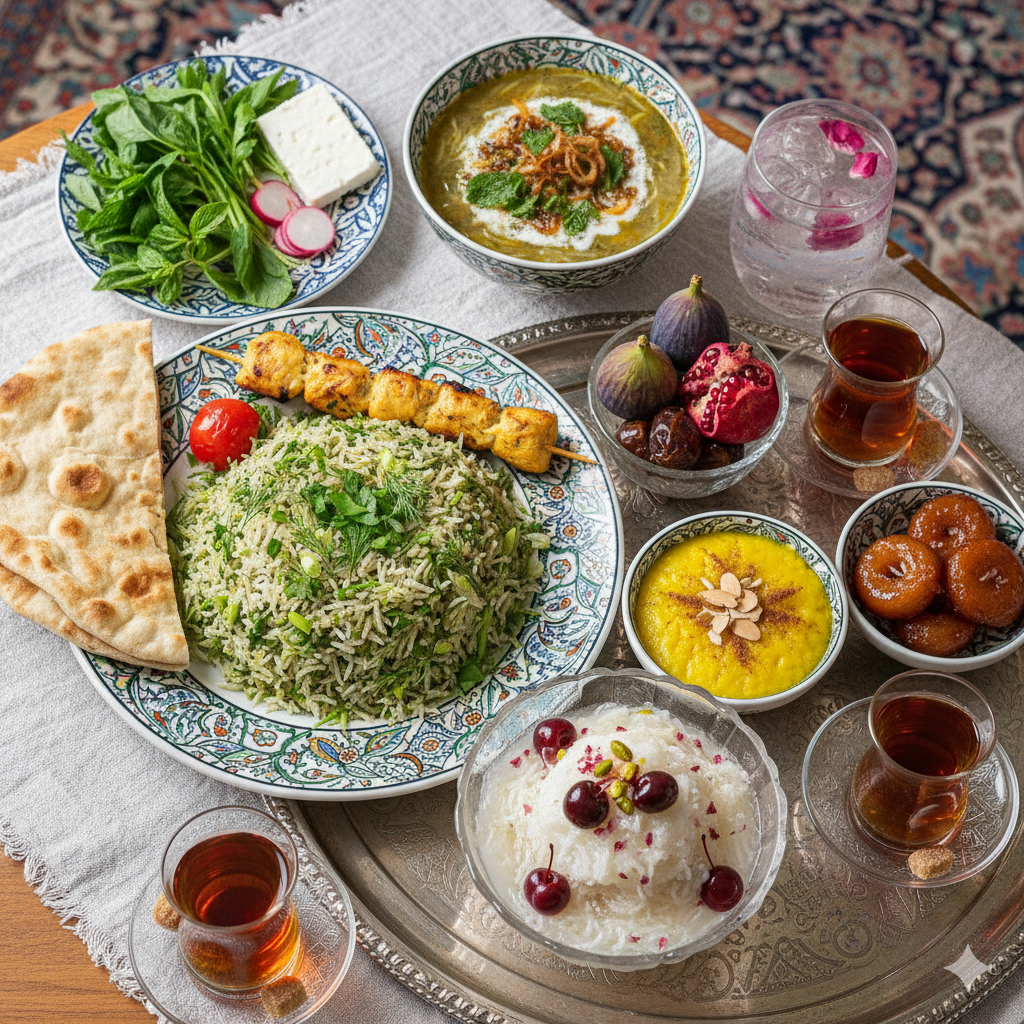
Persian Food Recipes: Delicious Classics for Home Cooking
Persian food recipes often feel special because they balance fragrance, color, and comfort in the same bite. A pot of herb stew can taste bright and deep at once. A platter of rice can be both fluffy and crisp, thanks to the famous golden crust. These details are why persian food recipes stay popular for weeknight dinners, family gatherings, and anyone chasing a meal that feels thoughtful without being fussy.
This page gathers the building blocks that show up across traditional Persian food recipes, then turns them into practical guidance for rice, chicken, eggplant, stews, and small bites. It also covers how many cooks learn through persian food recipes with pictures, and why persian food recipes in English can still keep the spirit of recipes written in Persian.
What Defines Persian Cooking at Home
Persian cooking usually leans on a few repeating ideas: herbs used generously, onions cooked until sweet, acidity balanced with a soft sweetness, and aromatics like saffron that perfume the whole dish. Many classic Persian recipes rely on patience more than complicated technique. A stew becomes memorable because it simmers long enough for the flavors to meet each other, not because it requires rare tools.
A cook exploring recipes for Persian food often benefits from understanding the pantry first. Dried limes, turmeric, saffron, cinnamon, and rose water appear in different combinations. Pomegranate molasses, barberries, and yogurt show up often too. The ingredients are not “all the time” items in every home, yet the same few items can cover a wide range of Persian food recipes once stocked.
The Flavor Balance Behind Authentic Persian Food Recipes
A common thread in authentic Persian food recipes is balance. Sour notes might come from dried limes or lemon. Sweetness might come from onions cooked slowly, dates, or pomegranate. Herbs bring lift, while turmeric and black pepper add warmth. When persian food recipes taste “flat,” the cause is often missing acid, missing salt, or herbs that were not cooked long enough to lose their raw edge.
A Note on “Ancient” Persian Food Recipes
Searches for ancient Persian food recipes often point to the same timeless ingredients that have been used across the region for centuries: saffron, pomegranate, nuts, herbs, and slow-cooked meats. Modern home versions keep the same spirit, even when ingredients are substituted based on what a local market carries. The goal stays the same: a meal that feels layered, fragrant, and satisfying.
Persian Food Recipes Rice and the Love of Tahdig
Persian food recipes rice are a category of their own because rice is not treated as a side dish. It becomes a centerpiece, often served with stews, kebabs, or chicken. The texture matters: separate grains on top and a crisp crust at the bottom.
A cook learning persian food recipes easy can start with a basic chelow (plain steamed rice) before moving into polo (rice cooked with additions such as herbs, beans, or fruit). Once the basics are comfortable, the famous crust becomes the next goal.
Chelow vs Polo in Persian Food Recipes
Chelow is plain white rice served with kebab, stews, or grilled dishes. Polo is rice mixed with ingredients such as dill, fava beans, lentils, or barberries. Many persian food recipes for dinner pair a rich stew with chelow so the rice stays neutral and highlights the sauce. Polo, on the other hand, can carry its own flavor and can be served with lighter proteins.
Tahdig Without Stress
Tahdig is the crisp layer formed at the bottom of the pot. It can be made with rice alone, sliced potatoes, or even bread. The method usually includes oil or butter at the base and gentle heat that slowly turns the bottom into a golden crust.
When tahdig breaks, the taste can still be excellent. Many home cooks treat it as a bonus rather than a test. A steady simmer, a heavy pot, and patience tend to matter more than perfection. A slightly longer rest before unmolding can help the crust release more cleanly.
Stews That Anchor Traditional Persian Food Recipes
Persian stews are known for depth, aroma, and a sauce that clings to rice. They tend to start the same way: onions cooked until soft and sweet, turmeric blooming in the oil, then herbs, meat, beans, or fruit added based on the dish.
These stews are often the reason people search best persian food recipes, because a good stew feels like a signature dish. The most famous names show up again and again in persian food recipe book collections and persian food recipes blog posts.
Persian Food Recipes Ghormeh Sabzi
Persian food recipes ghormeh sabzi are often the first “must try” stew for a new cook. This herb stew usually combines a large amount of chopped herbs, kidney beans, meat, and dried limes. The character of the dish comes from herbs that are cooked long enough to smell toasty rather than grassy.
A strong ghormeh sabzi usually has a noticeable sour note from dried lime and a deep herb flavor from sautéing herbs before simmering. Many cooks search persian food ghormeh sabzi recipe details because the balance is delicate: too much raw herb taste feels sharp, and too little lime can leave the stew heavy.
Fesenjan and the Sweet-Sour Style
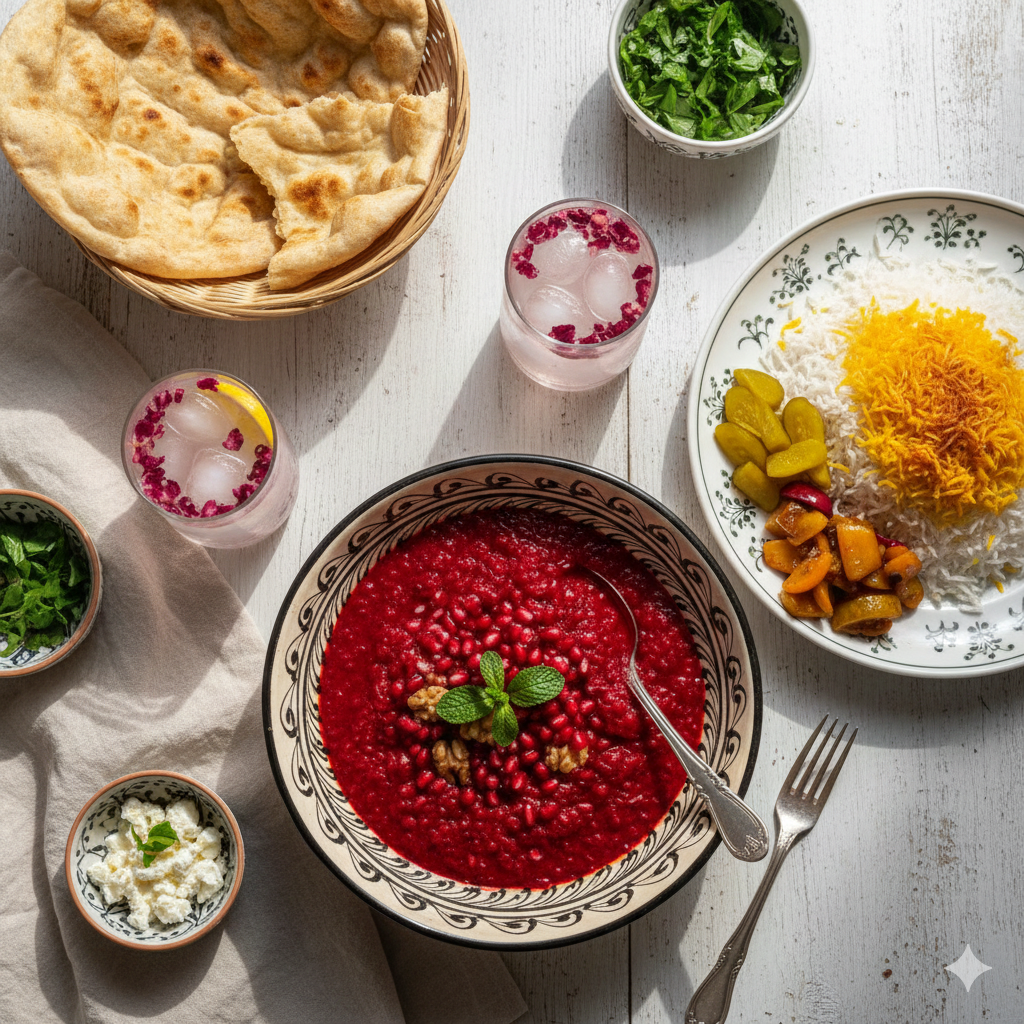
Fesenjan is often made with ground walnuts and pomegranate, producing a sauce that can be tangy, slightly sweet, and very rich. It is sometimes cooked with chicken, making it a natural fit for persian food recipes chicken lists. A small adjustment in pomegranate or sweetener can shift the dish from tart to sweet, which is why many versions exist across families.
Dizi Persian Food Recipe and Other Hearty Pots
A dizi persian food recipe is built for cold nights and long meals. It is a hearty stew traditionally made with lamb or beef, chickpeas, beans, potatoes, and sometimes tomato. The serving style can include separating the broth from the solids, then mashing the solids into a thick mixture.
A cook trying dizi at home can focus on slow simmering and seasoning in layers. Even simplified home versions still capture the comfort that makes the dish a classic.
Persian Food Recipes Chicken That Feel Like Centerpieces
Persian food recipes chicken often combine gentle seasoning with bold toppings like barberries, saffron, or pomegranate. Chicken is usually cooked until tender, then paired with rice that carries aroma and crunch.
Many easy persian food recipes with chicken start with a braise rather than grilling. Braising gives a reliable result and creates a sauce that can soak into rice.
Zereshk Polo ba Morgh and the Rice Pairing
One of the most loved chicken and rice combinations uses barberries (zereshk), saffron, and a lightly sweet-sour chicken sauce. The rice stays fluffy, while the barberries bring bright tang. Saffron water poured over part of the rice creates the signature yellow-and-white look often featured in Iranian food recipes with pictures.
Joojeh-Style Flavors in Home Cooking
Grilled chicken is popular, though home cooks often recreate the flavor indoors with a broil or pan-sear method. Saffron, yogurt, onion, and lemon are common notes. The goal is tender chicken with a gentle perfume rather than aggressive spice. Served with rice and grilled tomatoes, it becomes a full dinner without heavy sauces.
Persian Food Recipes Eggplant for Smoky, Silky Dishes
Persian food recipes eggplant are widely loved because eggplant carries smoke, sweetness, and richness when cooked correctly. These dishes often suit vegetarian persian food recipes and can be made vegan with a few swaps.
Eggplant dishes also tend to look dramatic on a table, which is part of why persian food recipes with pictures are so helpful. The color and texture changes matter, and photos make those cues easier to read.
Kashk Bademjan and the Creamy Dip Style
Kashk bademjan is often served as a dip or appetizer. Eggplant is cooked until soft, then mixed with caramelized onions and topped with mint oil. Kashk, a tangy dairy product, gives the dish its signature flavor. In kitchens where kashk is hard to find, thick yogurt can create a similar direction, though the taste changes slightly.
This dish also sits nicely in persian finger food recipes because it can be served with bread, herbs, and vegetables for a shared platter.
Mirza Ghasemi and the Smoky Eggplant Base
Mirza ghasemi is known for smoky eggplant, tomato, garlic, and egg. It is soft, fragrant, and satisfying with bread or rice. It can also be adapted for vegan persian food recipes by skipping the egg and leaning into the smoky tomato base.
Persian Finger Food Recipes and Street-Style Snacks
Persian street food recipes vary by city and family, though a few snack formats show up often: cutlets, herb frittatas, stuffed pastries, and yogurt-based dips. Many of these are portable, which is why persian finger food recipes are popular for gatherings.
These foods also suit persian food recipes easy plans because they can be prepared ahead, then served at room temperature.
Kotlet Persian Food Recipe and Persian Cutlet Food Recipes
Kotlet persian food recipe searches usually refer to a pan-fried cutlet made with ground meat and potatoes, seasoned with onion and warm spices. It is crisp on the outside and tender inside. It can be served with bread, pickles, fresh herbs, and tomatoes.
Persian cutlet food recipes vary in texture based on how finely the potato is mashed and how much onion juice is removed. A wetter mixture can fall apart in the pan, while a properly drained mixture holds its shape.
Vegetarian Small Bites
Kuku sabzi, a herb-heavy frittata, is a common vegetarian option. It is often served cut into small pieces, making it a natural fit for persian finger food recipes. Because herbs are the star, it connects closely to the flavor profile that makes Persian cooking recognizable even without meat.
Vegetarian, Vegan, Healthy, and Kosher Persian Food Recipes
Persian food recipes vegetarian options are more than “side dishes.” Many are built to feel complete through herbs, beans, nuts, eggplant, and rice. Vegan persian food recipes can be created by focusing on plant-based stews, lentil dishes, and vegetable-heavy rice preparations.
Healthy persian food recipes often come down to cooking methods and portion balance. Grilling, braising, and stew simmering can keep meals satisfying without needing heavy frying.
Healthy Persian Food Recipes Without Losing Comfort
A stew can be lighter when it uses leaner cuts, more herbs, and fewer added fats. Rice can be served with a larger portion of stew and vegetables to keep the plate balanced. Many cooks who search persian food recipes for dinner want meals that feel filling without feeling heavy, and Persian stews are well-suited to that goal.
Kosher Persian Food Recipes and Persian Jewish Food Recipes
Kosher persian food recipes often overlap with the broader Persian repertoire, with adjustments based on dietary rules. Persian jewish food recipes include many familiar favorites served in Jewish Persian communities, where herbs, rice, and slow-cooked dishes are still central. The biggest change is usually ingredient selection and kitchen practice, not the overall flavor direction.
Persian Food Recipes in English, in Farsi, and Learning Through Pictures
Persian food recipes in english can be very approachable once a cook understands a few naming patterns. Many dish names describe ingredients or cooking style, and transliteration differences can make the same dish appear under multiple spellings. That is why persian food recipe websites and persian food recipes blog pages sometimes look inconsistent even when the dishes match.
Persian food recipes in farsi often use measurements and ingredient references that assume local familiarity. English versions may add details like temperature cues, pan sizes, and timing notes. Both can be valuable, especially when a cook compares them.
Persian Food Recipes With Pictures and What to Look For
Photos matter in Persian cooking because color and texture are cues. Rice grains should look separate. Tahdig should look golden rather than dark. Herbs in ghormeh sabzi should look deep green, not bright raw green. Eggplant should look collapsed and silky, not sponge-like.
Iranian food recipes with pictures also help with plating traditions: saffron rice on top, herbs on the side, and stews served with a clean rice mound.
Persian Food Recipes Video and YouTube Learning
Persian food recipes video formats can help with sensory steps, like how onions should look when properly caramelized or how thick a stew should be before serving. Persian food recipes youtube content often shows stirring, simmering, and the visual cue for saffron blooming. Watching those cues can speed up learning, especially for first-time rice cooks.
Persian Food Recipe Book Choices
A persian food recipe book can help cooks who want dependable, tested methods. Many books also include cultural notes that explain why certain dishes are cooked slowly or served with specific sides. For someone building a personal rotation, a book can be the easiest way to keep traditional persian food recipes consistent over time.
Common Mistakes That Make Persian Food Recipes Taste “Off”
When persian food recipes miss the mark, the issue is usually one of the basics rather than a missing “secret ingredient.” A few small habits can change results quickly.
Saffron often needs blooming in warm water to spread evenly. Herbs often need enough cooking time to lose raw edges. Acid often needs balancing so it tastes bright rather than sharp. Rice often needs careful rinsing to stay fluffy.
Getting Saffron Right
A small amount goes a long way, and it works best when steeped. When saffron is thrown in dry, it can clump and get lost. Blooming creates that signature aroma that people associate with classic Persian recipes.
Balancing Sour, Sweet, and Salt
Dried lime, pomegranate, lemon, and barberries bring sour notes. Onion sweetness and fruit can soften those edges. Salt ties everything together. A stew that tastes “loud” often needs a small balancing adjustment rather than more spice.
Conclusion
Persian food recipes become easier when the focus stays on a few repeat foundations: fragrant rice, slow-simmered stews, herbs used with confidence, and careful balance between sour and sweet. From persian food recipes rice with tahdig to persian food recipes chicken for dinner and persian food recipes eggplant for shared plates, the same pantry ideas keep showing up in different forms. With pictures, videos, or a trusted persian food recipe book, a home cook can build confidence quickly and still keep the results true to traditional Persian food recipes.
FAQs
What are the most popular persian food recipes for dinner?
Many persian food recipes for dinner center on rice and stew pairings, such as ghormeh sabzi with rice, walnut pomegranate stews, and saffron chicken served with barberries.
Why are persian food recipes rice focused on texture so much?
Rice is treated as a main element, not a side. The contrast between fluffy grains and crisp tahdig is a hallmark of persian food recipes rice traditions.
Is ghormeh sabzi hard for beginners?
Persian food recipes ghormeh sabzi can be beginner-friendly when the herbs are cooked long enough and the dried lime flavor is balanced. Patience with simmering matters more than advanced technique.
What are good persian food recipes eggplant options for a first try?
Kashk bademjan and mirza ghasemi are common starting points. They show how eggplant becomes silky and flavorful, and they work well as shared plates.
Are there persian food recipes vegetarian and vegan options that feel filling?
Yes. Many persian food recipes vegetarian dishes use herbs, beans, eggplant, and rice. Vegan persian food recipes often lean on plant-based stews, lentils, and vegetable rice dishes.
Where do persian food recipes with pictures help the most?
They help most with rice doneness, tahdig color, herb stew texture, and eggplant softness. Visual cues make timing easier.
What is kotlet in Persian cooking?
A kotlet persian food recipe usually refers to a pan-fried cutlet made from ground meat and potatoes, served as a snack or meal with bread, herbs, and pickles.
What does “homemade persian cat food recipes” mean, and is it related to Persian cuisine?
Homemade persian cat food recipes are usually not a traditional cuisine category. When a cat diet is involved, a vet-approved plan is safer than adapting human persian food recipes.