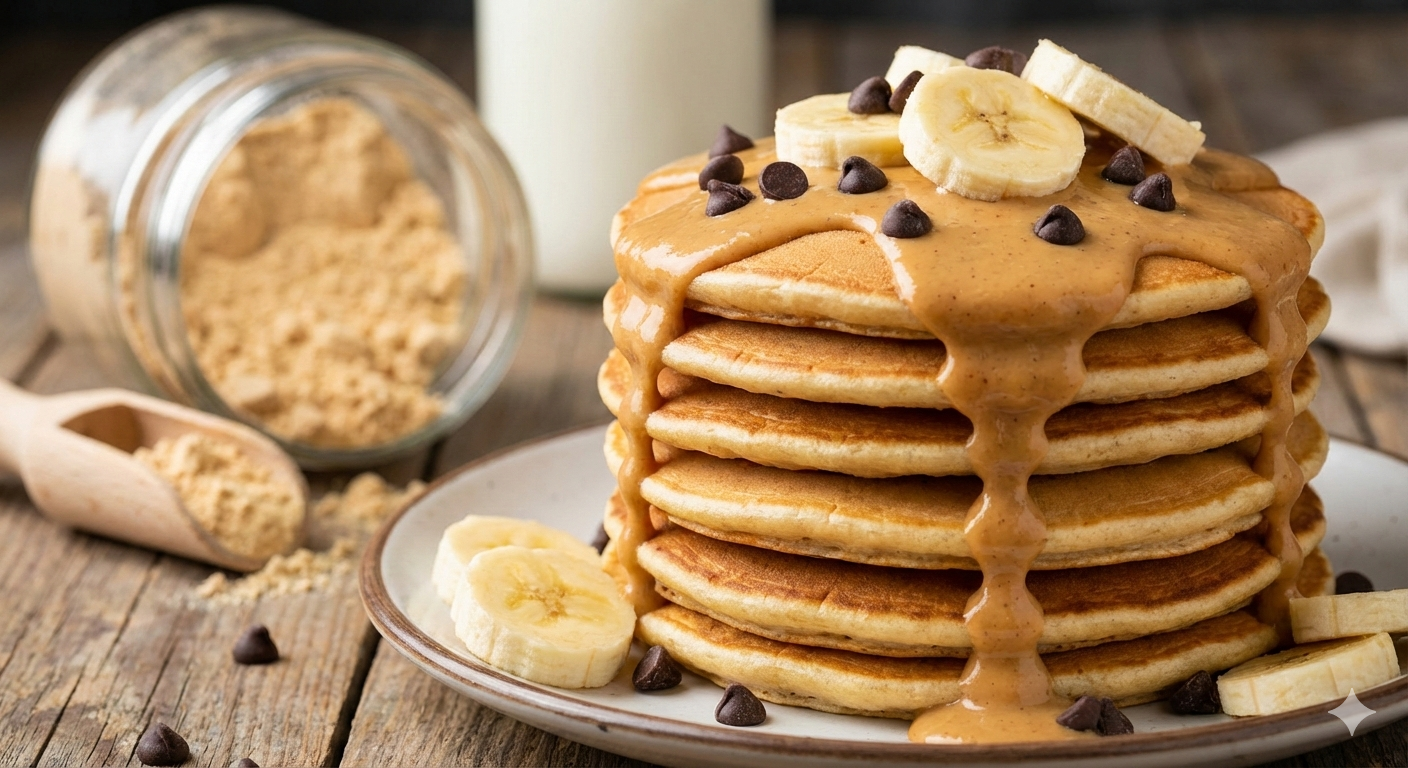
Peanut Butter Powder Recipes for Every Craving
Peanut butter powder keeps showing up in pantries for a simple reason: it delivers that peanut taste with fewer calories and a surprisingly flexible texture. Peanut butter powder recipes can lean sweet or savory, can fit breakfast or dessert, and can be adjusted for higher protein, lower carb, or lighter “treat” days without turning food into bland diet bites.
This guide walks through what peanut butter powder is, how it behaves in mixing bowls and blenders, and how recipes with peanut butter powder can stay rich, balanced, and reliable.
What Peanut Butter Powder Is, and What It Replaces
Peanut butter powder is made from roasted peanuts that have had much of their oil removed, then ground into a fine powder. That change matters. Traditional peanut butter carries fat that adds moisture, silkiness, and body. Powdered peanut butter is lighter and can turn chalky if it is treated like a direct swap. Peanut butter powder recipes work best when the powder is treated as a flavor base that can be rebuilt with liquid, fat, or both.
Powder peanut butter recipes often appeal to cooks who want stronger peanut flavor without adding too much oil. Many brands exist, including PB2 peanut butter powder recipes favorites and PB fit peanut butter powder recipes that are common in smoothie routines. Some versions are sweetened, some are unsweetened, and some include cocoa or added protein.
How Flavor and Nutrition Shift in Peanut Butter Powder Recipes
After the oil is removed, the powder usually becomes more concentrated in peanut aroma per calorie, though the “buttery” mouthfeel drops. Many peanut butter powder recipes high protein plans pair it with Greek yogurt, cottage cheese, protein powder, or egg whites to restore that creamy feel.
Peanut butter powder recipes healthy approaches often focus on texture-building ingredients: banana, oats, chia, yogurt, or even a small spoon of real peanut butter for a hybrid result. That combo can keep taste familiar without letting the recipe become greasy.
Picking the Right Powder for Recipes Using Peanut Butter Powder
A cook gets different results depending on the ingredient label. Sweetened powders can work well in peanut butter powder dessert recipes and quick shakes. Unsweetened powders give more control in peanut butter powder recipes keto or savory sauces. Some brands, such as crazy richard’s peanut butter powder recipes fans mention, keep ingredient lists short and peanut-forward.
For recipes with peanut butter protein powder, the powder blend can already include sweeteners and thickeners, so liquids may need to be reduced to avoid a thin finish.
How to Use Peanut Butter Powder in Recipes Without Dry Results
Many recipes using peanut butter powder fail for one reason: not enough moisture or not enough fat to carry the flavor. Peanut butter powder can absorb liquid fast. That can be helpful in protein balls, overnight oats, and no-bake bars. It can be frustrating in cookies and brownies when a batter tightens too quickly.
A practical approach is to treat peanut butter powder as “peanut flour plus flavor,” then decide what the recipe needs: creaminess, structure, sweetness, or lift.
Rehydrating for Spreads, Dips, and Sauces
A basic rehydrate method works well for recipes with peanut butter powder: mix the powder with warm water a little at a time until it becomes a paste. From there, the paste can become a dip, drizzle, or dressing with small changes. A spoon of yogurt turns it tangy and creamy. A spoon of sesame oil deepens a savory sauce. A spoon of honey turns it dessert-like.
This method fits cocoa powder peanut butter recipes too. Cocoa and powdered peanut butter can be whisked into a smooth sauce, then poured over oats or frozen banana slices.
Baking Swaps That Actually Work
Peanut butter powder can replace part of flour for aroma and tenderness, though it can dry a dough when overused. In peanut butter powder cookie recipes, a safer swap is partial: replace a small portion of flour with the powder, then add moisture back through egg, applesauce, or yogurt.
Many people search for peanut butter cookie recipe no baking powder or no baking powder peanut butter cookie recipe options. In those recipes, the structure comes from egg and sugar, not from baking powder. Peanut butter powder can still work, though the dough benefits from a rest so the powder hydrates before baking.
Breakfast Peanut Butter Powder Recipes That Feel Filling
Breakfast is where peanut butter powder recipes often shine because oats, yogurt, and fruit naturally supply moisture. The peanut taste reads strong, and the texture stays creamy without much extra work. Peanut butter powder recipes breakfast styles are often high in protein, easy to prep, and friendly for busy mornings.
Overnight Oats Recipe With Peanut Butter Powder
An overnight oats recipe with peanut butter powder can be built in a jar: rolled oats, milk or a milk alternative, peanut butter powder, a pinch of salt, and a sweetener if needed. Chia seeds help thicken, and cinnamon lifts the peanut aroma.
A cook can stir in sliced banana in the morning or swirl in berry jam. This is one of the simplest recipes with peanut butter powder because hydration happens slowly overnight, reducing dryness.
Greek Yogurt and Peanut Butter Powder Recipes for Fast Bowls
Greek yogurt and peanut butter powder recipes often become a “dessert breakfast” that still hits protein goals. Peanut butter powder can be whisked straight into thick yogurt until smooth. A little vanilla or cocoa creates a chocolate-peanut base that pairs well with strawberries or granola.
This style is popular in peanut butter powder recipes weight watchers plans because it can be portioned easily and adjusted with lower-cal toppings.
Peanut Butter Powder Smoothie Recipe and Weight Loss Blends
A peanut butter powder smoothie recipe usually needs a creamy anchor. Frozen banana works well, though a cook can use frozen cauliflower rice for a lighter base. Peanut butter powder recipes for weight loss often combine the powder with unsweetened cocoa, ice, and a protein source.
For peanut butter powder smoothie weight loss recipe versions, a common blend is: milk or water, a scoop of protein powder, peanut butter powder, cocoa, and ice. It reads like a milkshake, though the calorie load stays controlled when the sweeteners are minimal.
High Protein Snacks Using Peanut Butter Powder
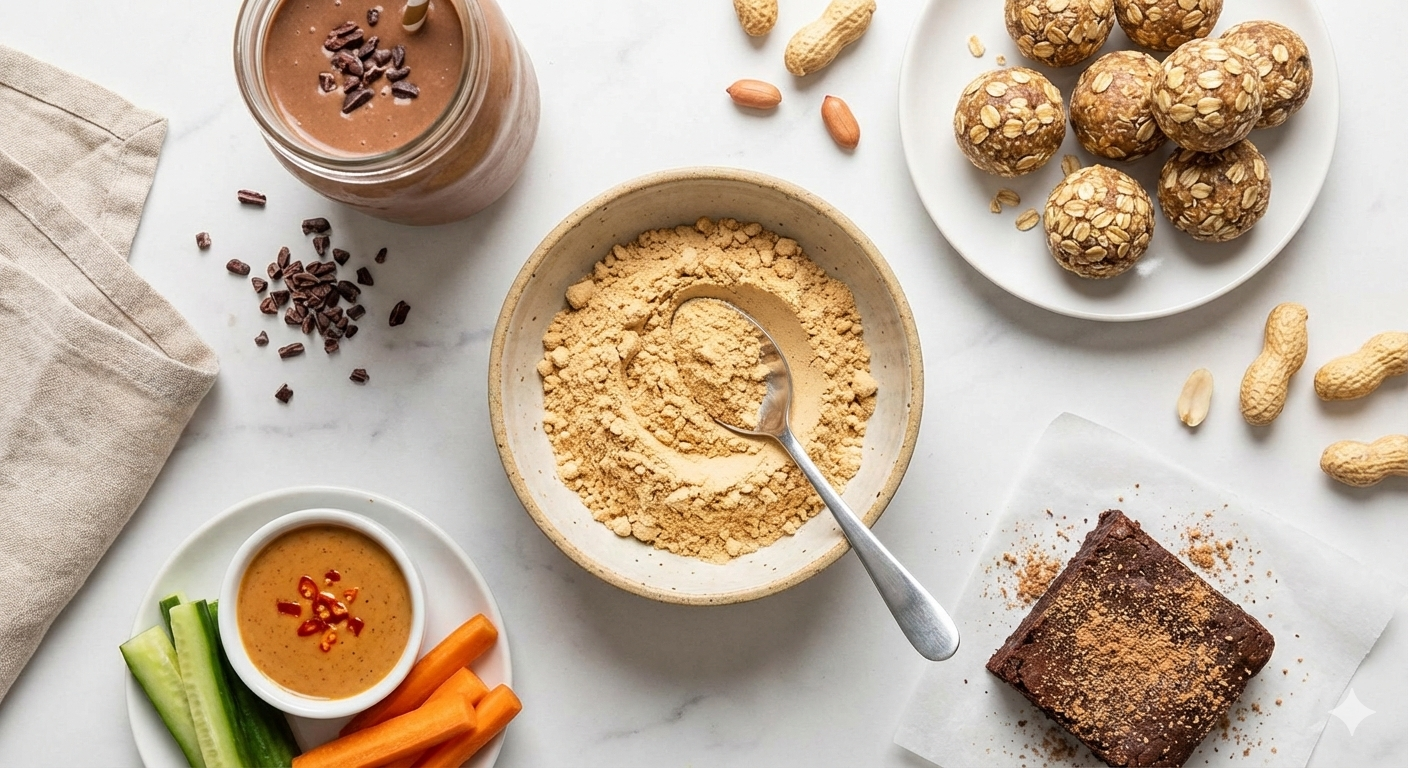
Snack-style peanut butter powder recipes work when the powder is paired with a binder. Without a binder, powdered peanut butter can taste dusty. With the right binder, it becomes rich and portable. This section leans into peanut butter powder recipes high protein goals and “grab and go” formats.
Applesauce Peanut Butter Powder Protein Balls Recipe
An applesauce peanut butter powder protein balls recipe is a smart option when a cook wants softness without extra oil. Applesauce adds moisture and mild sweetness, and the powder adds peanut flavor without making the mixture heavy.
A simple method is to mix peanut butter powder with oats, applesauce, a pinch of salt, and a scoop of protein powder if desired. This overlaps with protein balls recipe with protein powder and peanut butter searches. If the mix feels sticky, oats can balance it. If it feels dry, another spoon of applesauce fixes it quickly.
Many people also search peanut butter powder applesauce balls recipe or applesauce peanut butter powder balls recipe. The same idea applies, with cinnamon or mini chocolate chips added for a more dessert-like bite.
Peanut Butter and Protein Powder Recipes for Shakes and Bites
Peanut butter and protein powder recipes often taste better when the peanut element is split: peanut butter powder for aroma, plus a small spoon of real nut butter for mouthfeel. That combination works well in protein powder peanut butter recipe shakes.
Chocolate peanut butter protein powder recipes are common in meal-prep routines. A cook can blend chocolate protein powder with peanut butter powder, cocoa, ice, and milk for a thick shake. For peanut butter powder shake recipes, adding a pinch of salt usually makes the flavor taste more like a candy bar instead of a bland “health drink.”
Cookies and Desserts With Peanut Butter Powder
Desserts are where peanut butter powder recipes can feel tricky, since many classic peanut butter sweets rely on fat for softness and shine. The fix is simple: match the dessert to the powder’s strengths. No-bake desserts, fudges, chilled pies, and brownie-style bars accept peanut flavor well, and moisture can be built in with eggs, yogurt, pumpkin, or condensed mixtures.
Peanut Butter Powder Cookie Recipe and No Baking Powder Options
A peanut butter powder cookie recipe can work as a soft cookie when the dough includes enough moisture. A cook can mix butter or coconut oil with sugar, add an egg, then stir in peanut butter powder and flour until a pliable dough forms. Resting the dough helps the powder hydrate.
For peanut butter cookie recipe no baking powder, the cookie can still spread and set if sugar and egg are present. A no baking powder peanut butter cookie recipe often bakes slightly denser, with a chewy center. Peanut butter cookie recipe no baking soda or powder versions exist too, though the cookie will lean flatter and more tender.
Cocoa Powder and Peanut Butter Recipes for Brownies
Cocoa powder and peanut butter recipes are popular because chocolate covers any “powdered” note and makes peanut taste feel deeper. A brownie recipe with cocoa powder and peanut butter can be made by adding peanut butter powder into the dry mix, then balancing it with eggs and a moist sweet base such as mashed banana or yogurt.
Searches like banana peanut butter and cocoa powder brownie recipe and peanut butter brownie recipe with cocoa powder usually point toward a fudgy texture. Peanut butter powder can support that texture when the batter stays thick and moist.
Fudge, Cool Whip, and Other No-Bake Peanut Butter Powder Dessert Recipes
A peanut butter fudge recipe with powder sugar commonly relies on powdered sugar and peanut butter. With peanut butter powder, a cook can create a lighter fudge by combining the powder with a small amount of melted butter, powdered sugar, milk, and a pinch of salt until a thick paste forms.
Chocolate peanut butter fudge recipe with cocoa powder is another favorite. Cocoa and peanut butter powder can be mixed into the fudge base for a balanced chocolate-peanut flavor.
For lighter no-bake options, a cool whip and peanut butter powder recipe can become a fast mousse. Peanut butter powder can be folded into whipped topping with a little vanilla and salt, then chilled. That mousse works as a dip for fruit or as a pie filling when poured into a crust.
Keto, Low Carb, and Weight Watchers Peanut Butter Powder Recipes
Peanut butter powder can fit multiple eating styles, though the strategy changes. Keto peanut butter powder recipes often add fat back in through coconut cream, heavy cream, or nut butter. Low carb peanut butter powder recipes may lean on sweeteners like monk fruit blends. Peanut butter powder recipes weight watchers plans often focus on portion control and protein pairings.
Keto Recipes Using Peanut Butter Powder Without a Thin Finish
Keto recipes using peanut butter powder work well in sauces and fat-forward smoothies. A cook can whisk peanut butter powder into coconut milk, then season it with soy sauce or tamari, lime, garlic, and chili for a keto-friendly satay sauce. The coconut fat prevents the sauce from tasting dry.
Lakanto peanut butter powder recipes sometimes show up in keto circles too, since monk fruit sweetness can help the powder taste dessert-like without sugar.
Low Calorie Peanut Butter Powder Recipes for Weight Watchers
Peanut butter powder recipes for weight loss and peanut butter powder recipes weight watchers versions often benefit from volume foods: berries, ice, yogurt, and oats measured carefully. A smoothie recipes with peanut butter powder plan might use half a banana instead of a full one, add ice for thickness, then rely on peanut butter powder for flavor.
Healthy recipes with peanut butter powder often include small additions that increase satisfaction without a big calorie jump, such as cinnamon, vanilla, or a pinch of salt.
Savory Peanut Butter Powder Recipes That Go Beyond Sweet
Peanut butter powder recipes are not limited to desserts. In savory cooking, the powder acts like a seasoning plus thickener. It can build sauces, dressings, and marinades without needing a full spoon of oily peanut butter.
Sauces and Dressings in Recipes With Peanut Butter Powder
A quick savory sauce can be made by mixing peanut butter powder with warm water, then adding soy sauce, rice vinegar, ginger, garlic, and chili flakes. That creates a peanut-style dressing for noodles, slaws, or roasted vegetables.
Recipes using peanut butter powder in sauces tend to taste better when finished with a little toasted sesame oil or a splash of lime. Those additions keep the flavor rounded.
Cocoa and Peanut in Savory Meals
It may sound surprising, though peanut butter cocoa powder recipes can work in savory dishes too. A small amount of cocoa deepens chili, mole-style sauces, and marinades. Peanut butter and cocoa powder recipes in savory form often use unsweetened cocoa, not hot chocolate mix, and the bitterness is balanced with salt and acid.
Troubleshooting Peanut Butter Powder Recipes and Storing the Powder
Even simple peanut butter powder recipes can go wrong when moisture is off by a spoon or two. The powder’s absorbency can change with brand, humidity, and added protein powders.
Fixing Chalky Texture in Powder Peanut Butter Recipes
Chalkiness usually means not enough fat or not enough hydration time. A cook can fix it by adding a spoon of yogurt, a drizzle of milk, or a small spoon of real peanut butter. Letting the mixture sit for five to ten minutes often solves the issue as the powder hydrates.
In peanut butter powder cookie recipes, a dry dough can be corrected with a splash of milk or an extra spoon of applesauce. In smoothies, chalkiness often disappears with more ice blending time plus a pinch of salt.
Storage, Shelf Life, and Safety Notes
Most powdered peanut butter products store well in a cool, dry cabinet with the lid sealed tightly. Moisture is the enemy. A cook should keep scoops dry and avoid storing it near steam. Peanut products are allergens, so cross-contact matters in shared kitchens.
When making peanut butter powder recipes healthy for meal prep, storing finished snacks in airtight containers helps them stay soft. Protein balls and bars often last several days refrigerated, and many can be frozen for longer storage.
Conclusion
Peanut butter powder recipes work best when the powder is treated as a flavor tool, not a perfect replacement for traditional peanut butter. With the right moisture, a touch of fat when needed, and smart pairings like yogurt, oats, cocoa, or fruit, recipes with peanut butter powder can taste rich and satisfying across breakfasts, snacks, desserts, and even savory sauces.
From peanut butter powder smoothie recipes to peanut butter cookie recipe no baking powder styles, the most consistent results come from balancing texture first, then building flavor with salt, vanilla, spices, and quality mix-ins.
FAQs
Peanut butter powder recipes raise a few repeat questions, mostly around swapping, texture, and diet fit. The answers below keep the focus practical.
How to use peanut butter powder in recipes without dryness?
A cook usually needs more moisture than expected. Peanut butter powder absorbs liquid quickly, so adding yogurt, milk, applesauce, or a small amount of real nut butter helps many recipes using peanut butter powder taste smooth.
Do peanut butter powder recipes work in baking the same way as peanut butter?
Not exactly. Peanut butter adds fat and softness. Peanut butter powder adds flavor and some structure. In peanut butter powder cookie recipes, the dough often needs rest time and a moisture booster like egg, applesauce, or yogurt.
What is the easiest peanut butter powder smoothie recipe for beginners?
A simple approach is milk, ice, peanut butter powder, and banana. For peanut butter protein powder recipes, a scoop of protein powder can be blended in, then adjusted with more ice for thickness.
Can peanut butter powder recipes be keto friendly?
Yes. Keto peanut butter powder recipes usually add fat back in through coconut milk, heavy cream, or nut butter. That prevents thin texture and keeps the taste full.
Are peanut butter powder recipes weight watchers friendly?
They can be. Peanut butter powder recipes weight watchers plans often pair the powder with Greek yogurt, fruit, or measured oats to keep portions controlled while staying filling.
How can a peanut butter cookie recipe no baking powder still rise?
It usually does not “rise” much. The cookie sets through egg structure and sugar caramelization. A peanut butter cookie recipe without baking powder can still be chewy and tender, though it tends to bake flatter.
What pairs well with cocoa powder and peanut butter recipes?
Banana, vanilla, cinnamon, Greek yogurt, and a pinch of salt pair well. Chocolate peanut butter powder recipes often taste more balanced when a small amount of salt is added to deepen both cocoa and peanut notes.
How long do snacks made from peanut butter powder last?
Many no-bake snacks last three to five days refrigerated in an airtight container. Freezing works well for longer storage, especially for protein balls and bars made from recipes with peanut butter powder.